










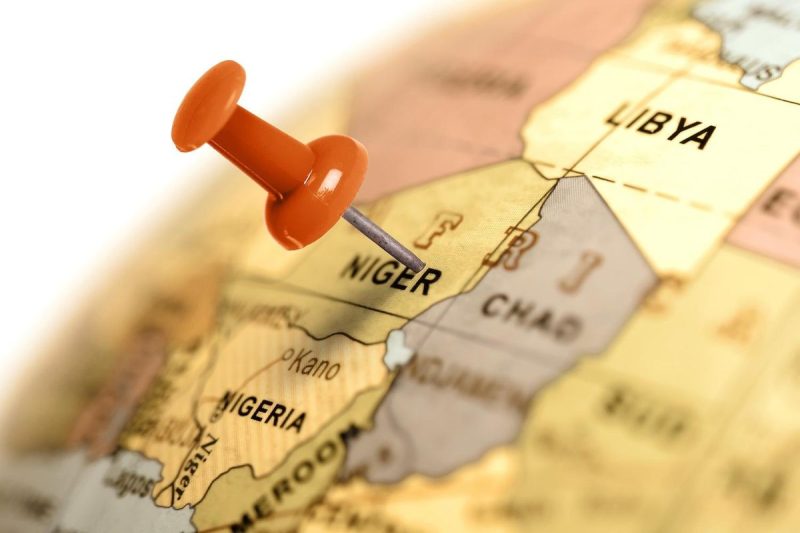
Niger’s military government announced that it intends to put uranium produced by the SOMAÏR mine on the international market.
Head of the junta, General Abdourahamane Tiani, told state television Tele Sahel that “Niger’s legitimate right to dispose of its natural riches to sell them to whoever wants to buy them, under the rules of the market, in complete independence.”
Orano has operated uranium mines in Niger for decades and officially retains a 60 percent stake in SOMAÏR, as well as stakes in the Cominak and Imouraren mines.
However, the company lost operational control of these facilities in December 2024 when the junta intervened, citing expired mining agreements and asserting full sovereignty over national resources.
Orano condemned the latest uranium transfer as illegal, noting that it constitutes a direct breach of a September 2025 ruling by the International Centre for Settlement of Investment Disputes (ICSID).
The tribunal had ordered Niger “not to sell, transfer, or even facilitate the transfer to third parties of uranium produced by SOMAÏR” held in violation of Orano’s rights.
The French company said it learned of the shipment only through media reports and has “no official information on the quantity removed, the shipment’s destination, or the conditions of its transport.”
“This shipment is in breach of the decision handed down in favor of Orano,” the company said, warning that it reserves the right to take “any additional action necessary, including criminal proceedings against third parties, should the material be taken in violation of its offtake entitlement.”
Further, a company statement as reported by Reuters said that “transporting a large quantity of uranium through an unsecured corridor poses significant safety and security risks.”
Since the 2023 coup, Niger has turned away from its former colonial partner, France, accusing it of supporting separatist groups. It has also sought closer ties with Russia, which has previously expressed interest in mining uranium in Niger.
The SOMAÏR mine, along with Cominak and Imouraren, produces a significant share of the uranium supplied to global markets. In 2022, Niger accounted for roughly a quarter of natural uranium used by European nuclear power plants.
Orano said that about 1,500 metric tons of uranium were stockpiled at SOMAÏR before the transfer, with potential buyers speculated to include Turkish, Iranian, and Russian interests.
The group has pursued multiple legal avenues to regain operational control, including arbitration and lawsuits in Niger, arguing that the junta’s interference has harmed the mine’s financial position.
Securities Disclosure: I, Giann Liguid, hold no direct investment interest in any company mentioned in this article.